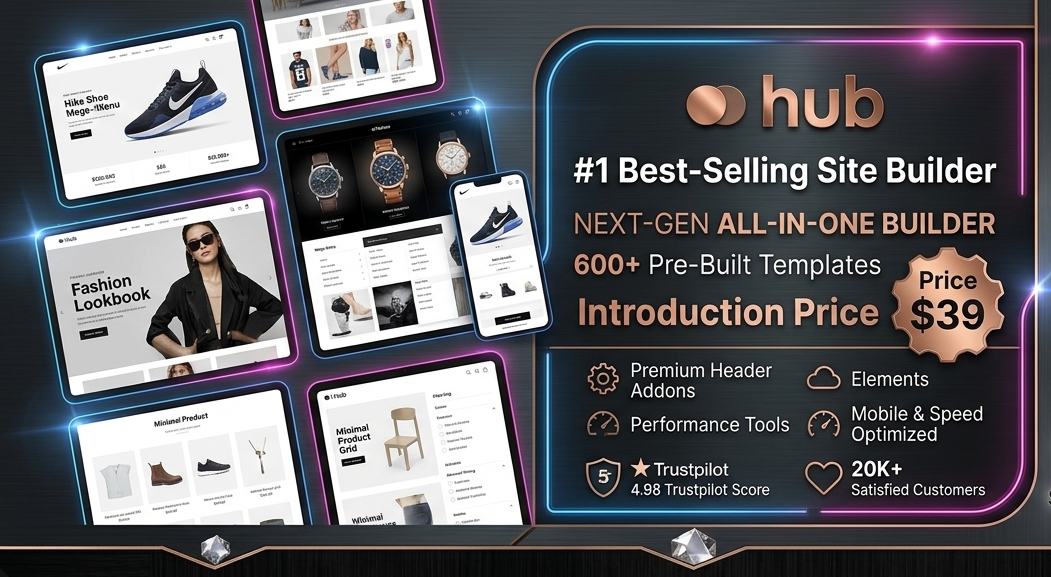
In the high-stakes digital environment of 2026, a website is no longer just a collection of pages; it is a conversion machine. As search engines place increasing weight on Core Web Vitals and mobile-first experience, developers are moving away from bloated, legacy-heavy themes toward frameworks built for agility.
The Hub WordPress Theme Latest Version has emerged as a professional-grade contender in this space, offering an all-in-one “Liquid” design system that balances immense creative flexibility with technical performance.
This guide provides a professional roadmap for implementing Hub, ensuring your installation remains light, SEO-friendly, and optimized for maximum speed.
The Architect’s View: Why Hub?
Hub is not your typical “everything-included” theme. While it offers hundreds of pre-built templates, its underlying engine is designed for modern web performance. It avoids the pitfalls of older, jQuery-heavy frameworks by utilizing a highly modular code structure that allows developers to toggle off unnecessary assets on a per-page basis.
Foundational Strengths:
- Next-Generation Builder: A visual, intuitive interface that removes the need for manual coding while keeping the DOM (Document Object Model) clean.
- Modular Asset Loading: Unlike traditional themes that load the entire library on every page, Hub intelligently identifies which elements are present and enqueues only those specific CSS/JS files.
- Adaptive Design: The responsive engine is natively optimized for high-density “Retina” displays and diverse mobile viewport scaling, which is a major signal in Google’s mobile-first ranking index.
SEO & Performance: The 2026 Strategy
High rankings are never an accident—they are a result of disciplined technical execution. When working with Hub, follow this “performance-first” protocol:
1. Strategic Resource Management
Even the fastest theme will fail if you overload it with redundant plugins.
- Audit Your Plugins: Use Hub’s native features (like the built-in Events plugin or Mega Menu) rather than installing third-party alternatives. Every additional plugin adds to your server’s response time.
- Asset Clean-up: Regularly check your
wp_optionstable. Themes that use modular builders often generate meta-data; keep your database lean to ensure the theme’s “Liquid” engine remains responsive.
2. Advanced Performance Directives
To handle the theme’s advanced visual elements, your server must be tuned to match the speed of the code.
| Configuration | Recommended Value |
| PHP Version | 8.2 or 8.3 |
| Memory Limit | 512M |
| Execution Time | 300 seconds |
| Max Input Vars | 5000 |
Pro-Tip: Ensure your host supports HTTP/3 and Brotli compression to further decrease your site’s Time to First Byte (TTFB).
Installation & Deployment: The “Lean” Methodology
A common mistake is importing “everything” during the initial setup. This populates your media library with thousands of files you don’t need, slowing down your backups and page index.
- Selective Import: During the Hub installation wizard, choose only the “Section Blocks” or the specific “Demo Type” that aligns with your project. Avoid the “Full Site Import” unless you are building a carbon copy of the demo.
- Child Theme Usage: Always deploy the Hub Child Theme. This is non-negotiable for 2026. If you need to add custom CSS or functional hooks, do so in the child theme to ensure your modifications persist during theme updates.
- Localize Everything: Navigate to the theme’s typography settings and download your font files locally. Hosting fonts on your own server eliminates the external DNS handshakes that cause “Render-Blocking” warnings in Google PageSpeed Insights.
E-E-A-T Strategy: Building Authority
Search engines prioritize “Experience, Expertise, Authoritativeness, and Trustworthiness.” Use Hub’s design versatility to highlight these factors:
- Structured Data: Hub integrates well with SEO plugins like Rank Math or Yoast. Map your custom post types to “Schema” markup (Service, Person, Organization) to help Google understand your content hierarchy.
- User Experience (UX): Use the theme’s Section Scroll and Interactive Particles judiciously. These elements create a high-end feel, but they should never distract from the primary content. A fast, accessible site is more trustworthy than a “flashy” one that takes 5 seconds to load.
The Performance Comparison Table
| Metric | Hub WordPress Theme | Standard Multi-Purpose Themes |
| Initial Load Weight | Ultra-Light (Modular) | Heavy (Global Bloat) |
| JS/CSS Dependencies | Minimal / On-Demand | Large / Global |
| Core Web Vitals | High Potential | Often Requires Heavy Plugins |
| Customization | Intuitive Visual Builder | Often Requires Custom Code |
Final Technical Audit
Before launching your site, perform a final audit:
- Run a Lighthouse Scan: Aim for a 90+ score on mobile.
- Check Console Errors: Ensure no JavaScript conflicts are appearing after you’ve customized your headers.
- Sitemap Validation: Use Google Search Console to verify your XML sitemap is properly indexed after you have created your core pages.
By following this disciplined approach, the Hub WordPress Theme Latest Version becomes not just a design tool, but a genuine asset in your SEO strategy, enabling you to deliver a premium user experience that search engines are incentivized to rank.nd professionals alike who want to build a stunning, high-quality website with minimal effort.
Frequently Asked Questions (FAQ)
1. Does Hub require a Page Builder?
Hub features an advanced "Live Builder" that is deeply integrated into the theme core. It is optimized to perform significantly faster than installing a standalone, third-party page builder on a basic theme.
2. How do I maintain fast speeds with Hub?
The secret is in the "Settings > Performance" panel. Ensure you have CSS/JS minification enabled, and if your site remains slow, utilize a system-level caching solution like WP Rocket or FlyingPress to defer non-essential scripts.
3. Is Hub good for WooCommerce?
Yes. It features a "Next-Generation Shop" module that provides high-speed product grids, AJAX filters, and conversion-focused checkout templates that require very little manual configuration.
4. What is the biggest mistake developers make with Hub?
Installing every feature. Hub is powerful, but activating the "Section Scroll," "3D Depth Map," and "Particles" all at once on a single page will kill your mobile speed. Choose one hero element and let the rest of the site remain minimalist.