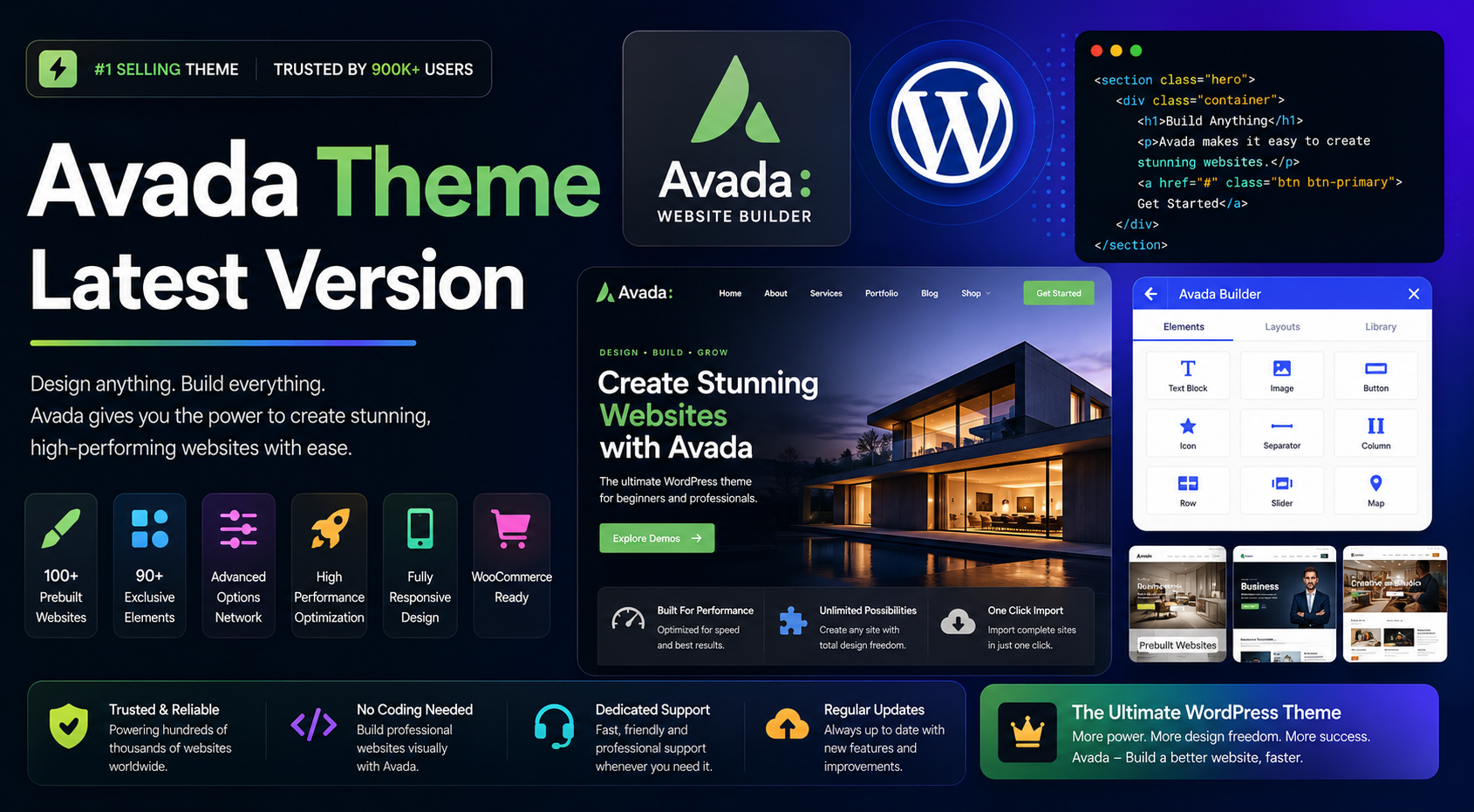
Building a scalable web portal that commands competitive search rankings demands a foundation that runs completely free of structural layout drag. As a multi-purpose framework, Avada relies on its coupled visual engine—the Fusion Builder—to manage complex multi-layered site portfolios.
When properly isolated and tuned, this architecture serves rich grid systems, automated page headers, and customized transactional states without causing high processing strain on your host server.
However, modern search indexing loops severely penalize design structures that cause high layout shifting or slow script execution. To stay ahead of these core metrics, expert web developers are actively auditing their active theme files.
Digital creators regularly clean up heavy legacy theme options, migrating design elements to lightweight alternative platforms like Bricks Builder, Breakdance Pro, or Spectra Pro to guarantee lightning-fast rendering.
This diagnostic handbook details the safe execution path for the Avada Theme Latest Version Free Download, alongside critical performance modifications to secure flawless mobile crawl rates and high search positioning in 2026.
Architectural Breakdown: Maximizing Fusion Engine Efficiency
When deploying the Avada Theme Latest Version Free Download, understanding how the background layout files interact with your central WordPress file directories (wp-content/themes/Avada/) is critical to preventing processing slowdowns.
Unlike modular block tools, Avada compiles global site adjustments through an extensive database options array. The latest framework updates rewrite how these values load, replacing old universal style injections with localized, conditional script outputs.
Key Technical Enhancements in the Latest Build:
- Dynamic CSS Compiling: The engine writes structural styles directly into an isolated, static cache folder (
/uploads/avada-styles/) instead of executing raw database queries on every page hit. - Decoupled Extension Integration: The core layout engine functions independently from the necessary helper modules (Fusion Core and Fusion Builder), allowing you to safely clean or reset backend options without damaging your design code.
- Optimized Critical Script Ordering: The latest updates reorder script prioritization, forcing essential text headers and mobile viewport blocks to render immediately before handling secondary graphic elements.
Server Environment Preparation
Before launching the theme files, verify that your server configuration matches these specific production metrics. Running heavy visual builders on standard default hosting limits will trigger script memory exhaustion errors or block visual data saves.
- Production PHP Engine Environment: PHP 8.2 or PHP 8.3 Required
- Memory Execution Cap:
memory_limit = 512M - Input Parsing Max Variables:
max_input_vars = 5000 - Processing Time Window:
max_execution_time = 300
Secure Installation & Extension Synchronization
To avoid system configuration hang-ups during setup, ensure you install both the parent theme archive and the required companion processing folders in the correct sequence.
Dashboard Verification: Mapping Core System Elements

Manual Setup Routine:
- Log into your WordPress administrative dashboard backend.
- Navigate via your sidebar menu to Appearance > Themes > Add New Theme.
- Select the top Upload Theme utility, click Choose File, and point to the unzipped
Avada.zippackage file. - Once your hosting server processes the directories, click the Activate link.
- You will immediately be redirected to the theme management onboarding screen. Click Install Extensions to automatically activate the matching versions of Fusion Core and Fusion Builder.
2026 Enterprise Theme Performance Metrics
Analyze how the underlying codebase behind the Avada Theme Latest Version Free Download runs against alternative high-speed web structures across asset distribution, script weights, and baseline template rendering logic.
| Technical Evaluation Target | Avada Framework (Latest Release) | Bricks Builder Suite | Breakdance Pro | Spectra Pro Blocks |
|---|---|---|---|---|
| Asset Distribution Model | Static Pre-Compiled Files | Native Utility CSS Tree | Conditional Script Injections | Core Gutenberg Blocks |
| Uncompressed Code Footprint | ~62 KB Optimized Base Script | ~38 KB | ~52 KB | ~12 KB |
| Layout Builder Integration | Modular Extension Addon | Native Standalone Theme | Self-Contained Plugin | Gutenberg Enhancement Layer |
| Dynamic Option Handling | Centralized Options Array | Direct SQL Metadata Queries | Schema-Bound Loops | WordPress Default Hooks |
Hardening the Layout Render Pipeline for Search Performance
Once the system setup is fully active, bypass standard layout importing templates and tune these advanced optimization properties manually to drop server script counts to an absolute minimum.
1. Activating Advanced Performance Options
Go to Avada > Options > Performance in your backend administration menu. Toggle the CSS Compiling Method to “File” mode. Next, enable JS Compiler Layouts and turn on Lazy Load Images. This restricts the core files from processing script strings universally, forcing the code engine to compile assets exclusively for the specific items visible to your user.
2. Disabling External Asset Fonts Tracking
Open the Global Typographic options panel and turn off the remote tracking paths for Google Fonts. Configure all font variables and layout vector icons to pull directly from your local host disk array (/wp-content/uploads/fonts/). This cuts out external third-party DNS lookups, eliminating render-blocking asset errors inside your speed monitoring tools.
System Audit: Verifying Index Readiness
To ensure your layout elements are parsing cleanly after deploying the Avada Theme Latest Version Free Download, navigate through your control sidebar to Avada > Layouts. Confirm that your global header models, single post skins, and custom search result views indicate active green structural verification marks.
Launch your main page inside an isolated private incognito window to verify design continuity across tablet and smartphone aspect ratios. Keep your active plugin list clear of old styling frameworks, maintain clean staging environments safely, and check your Search Console metrics daily to watch your target keyword rankings grow.