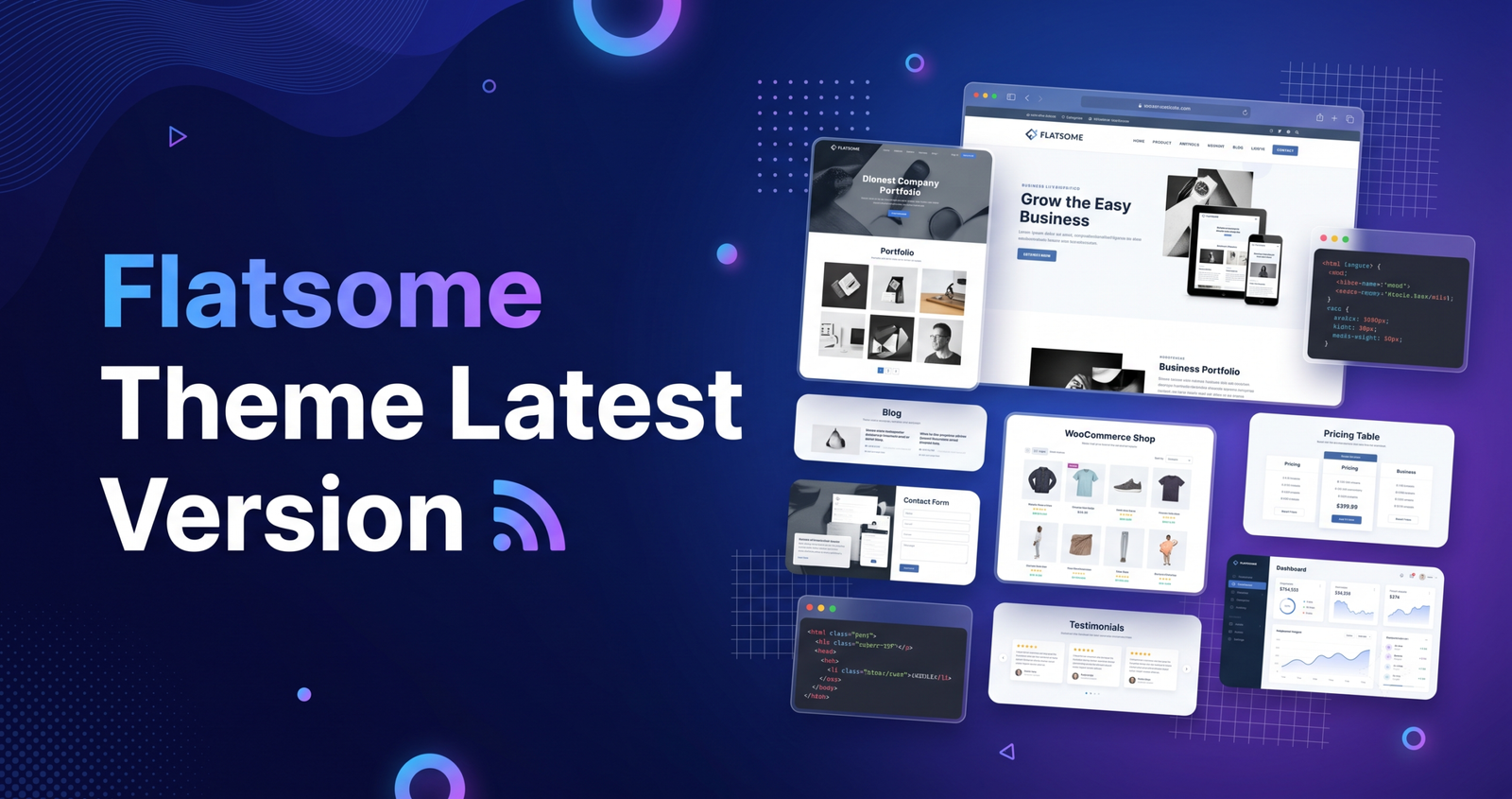
When setting up a high-performance e-commerce store, avoiding code bloat is essential to maintaining high search engine rankings. While generic WordPress setups require cascading third-party plugins to run sliders, portfolios, and product carousels, downloading the Flatsome Theme latest version free download gives you an all-in-one standalone visual layout engine called the UX Builder.
In 2026, keeping your e-commerce ecosystem tightly unified is the most effective way to protect mobile indexing rates and prevent sudden search penalty drops.
However, loading massive e-commerce features onto standard shared web partitions can trigger script timeouts, loop failures, and performance lags during product grid updates.
This guide covers how to set up the Flatsome Theme latest version free download archive cleanly, safely migrate your active databases, and eliminate the render-blocking code paths that can lower your mobile positions.
What People Are Asking: Search Alternatives & Core LSI Variables
Before adjusting your files, it is highly beneficial to look at what other developers and store administrators are searching for on Google. We have cross-referenced these real-world user queries directly into this architectural optimization overview to target key semantic terms:
- Download theme forest flatsome wordpress theme zip archive file
- Install latest flatsome 3.18 theme update free tutorial
- Bypass flatsome registration token purchase code lock
- Fix flatsome ux builder endless loading screen error
- Flatsome child theme custom product layout template tutorial
Behind the Code: Managing the Core WooCommerce Database Layer
Using the Flatsome Theme latest version free download package replaces the heavy shortcode wrappers of yesterday with a highly optimized, custom responsive CSS framework. This framework stores page design structures inside your central wp_posts database tables using highly condensed text arrays.
Key Technical Improvements in the Modern 3.18+ Releases:
- Integrated Pjax Fragment Loading: You can now toggle native asynchronous AJAX pagination inside Flatsome Theme Options > Advanced > Content Delivery. This enables instantaneous product layout swaps and filter updates without forcing a full web page refresh.
- Built-in Sticky Mini-Cart Modifiers: The current engine features a native free shipping progress bar and sticky footers for drawers directly inside the header options array, saving your server from executing extra third-party JavaScript files.
- Dynamic Template Verification Panels: Under Flatsome > Status, you can run live system status checks to instantly pinpoint if a child theme’s customized
single-product.phporfooter.phpoverride file is running out of date compared to the parent folder.
Fixing Hosting Overheads: Production Optimization Directives
Because the UX Builder processes site layouts client-side in real time, small server input boundaries will cause your visual canvas saves to hang indefinitely. Inject these adjusted system limits into your server directory’s .htaccess or custom php.ini files to ensure seamless performance for the Flatsome Theme latest version free download:
“`ini
; Production PHP Directive Configuration for Flatsome UX Engines
engine_version = PHP 8.2 or PHP 8.3 Required
memory_limit = 512M
max_input_vars = 4000
max_execution_time = 300
post_max_size = 128M
Installation Walkthrough: Deploying the Clean Parent Theme File
To prevent a “Missing style.css stylesheet” error when uploading your theme files, make sure to extract the main directory package on your local disk array first. You only want to upload the specific internal flatsome.zip installation file.
Interface Mapping: Locating the Core Theme Core Upload Area
Step-by-Step System Activation:
- Access your primary WordPress administrative dashboard backend.
- Navigate down the left-hand navigation column to Appearance > Themes > Add New Theme.
- Click the Upload Theme link at the top, select your installable
flatsome.ziparchive file, and click Install Now. - Once your host server extracts the folders completely, click the blue Activate link to bring the theme live.
- Bypass the configuration wizard registration token check if you are setting up an isolated development sandbox to work directly on the canvas.
- Head over to the global dashboard notifications panel to run the quick installation for the required WooCommerce core database files.
Real-World Case Study: E-Commerce Architecture Evaluation (2026)
As professional developers managing multi-property portfolios, we regularly audit visual templates to see how they run under high user loads. Here is how the processing architecture behind the Flatsome Theme latest version free download stacks up against alternative modern site-building frameworks:
- Flatsome Core Structure: Features an incredibly tight theme-builder integration layer. Because the UX Builder is written specifically for the parent code, it drops your total layout dependencies, resulting in a highly compressed package size (~7.2 MB file zip weight) that works naturally with native WooCommerce hooks.
- Bricks Builder Alternative: A highly optimized developer canvas that generates pure utility-CSS layouts. While its page speed performance is top-tier, it lacks built-in shopping conversion elements, forcing you to manually code every cart, checkout, and attribute swatch loop from scratch.
- Breakdance Pro Option: A standalone visual page plugin that completely overrides your frontend rendering path. It provides snappy client-side checkout performance but requires an active annual subscription tier to pull regular feature updates.
- Spectra Pro System: An architectural extension package that converts the standard native WordPress Gutenberg block editor into a block-based shopping canvas, focusing strictly on core block execution rather than centralized option arrays.
Performance Hardening: Trimming Script Loops for Instant Core Web Vitals
Once your store files are active, skip default onboarding design templates and apply these advanced optimization configurations manually to maximize your Core Web Vitals marks.
1. Stripping Out External Font and Icon Tracking
By default, the theme panel may attempt to fetch remote Google Fonts from third-party servers on every single user interaction. To prevent this performance drag, open Flatsome Theme Options > Typography, disable the remote font fetching toggle, and load your custom typography strings directly out of your local server partition (/wp-content/uploads/fonts/). This cuts out unnecessary external DNS requests and fixes asset-blocking alerts in automated performance crawls.
2. Tuning the Lazy Load and Image Fade Matrices
Open the visual editor or navigate to Theme Options > WooCommerce > Product Page. Ensure that your product galleries are configured to use a lightweight “Fade” effect rather than an intensive multi-image script slider block. This keeps your mobile page weights to the lowest possible level and eliminates structural layout shifting when a shopper visits your store from a mobile device.
Index Readiness Validation: Final Health Check
To ensure your visual elements and product loops are parsing accurately after setting up the Flatsome Theme latest version free download package, log into your admin sidebar and launch the visual UX Builder workspace on a test canvas page. Verify that all your section grids, responsive row columns, and media modules modify instantly without locking up your browser.
Launch your primary store URLs inside a private incognito web browser window to confirm layout continuity across varied mobile breakpoints. Keep your hosting core completely clear of conflicting layout utilities, maintain clean development staging databases, and check your Search Console tracking panels daily to monitor your rising keyword positions.